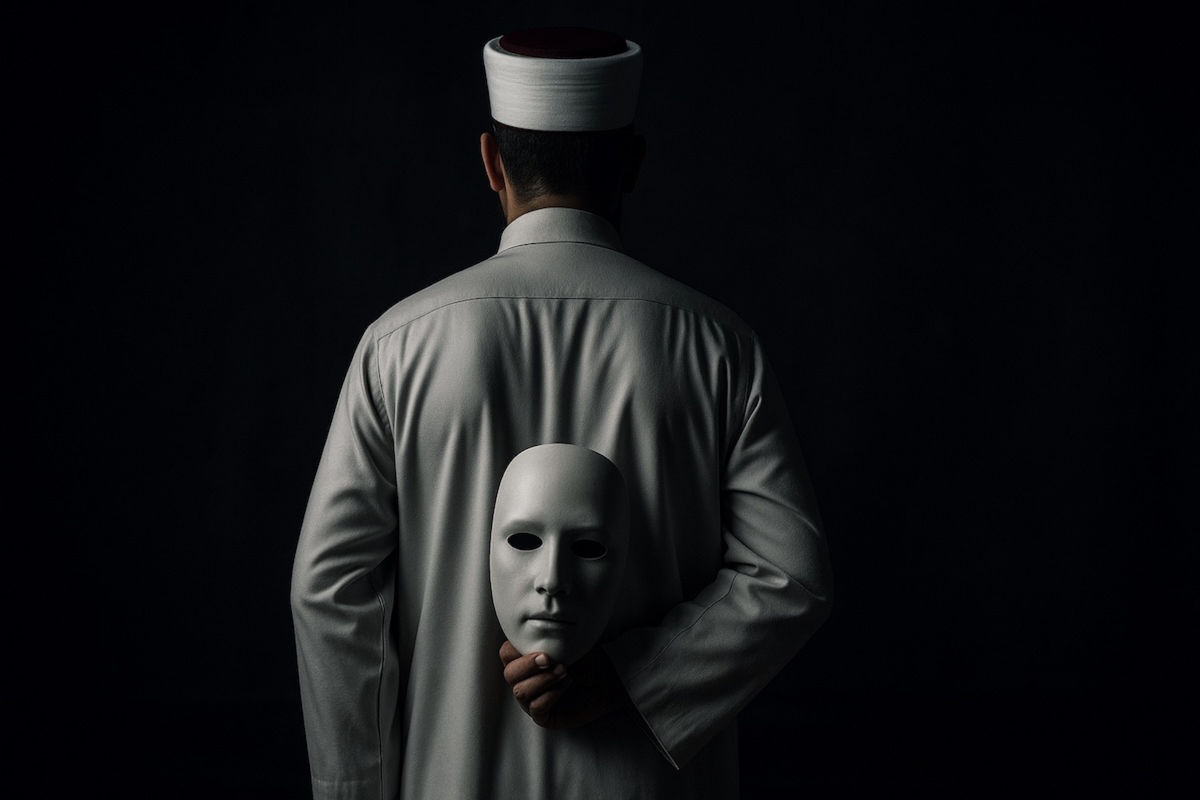
The scenario is becoming more prevalent: the person you trusted with your spirituality, inspiration, and scholarship turns out to be tragically dishonest. The man who founded an institute on the pursuit of truth is now accused of falsifying his own academic work. The preacher who inspires millions through his research and writings is found to have copied them from others without acknowledgment.
This is one of the most difficult tests to one’s faith: how could someone who embodied knowledge to me be so careless with integrity despite all of his credentials? Is something wrong with the religion?
The Power of Power
No. Something is wrong with people, especially when they have power. And power isn’t always manifest in the form of legal control or political office. The power of academic credentials that can silence questions of integrity is far more dangerous. The power of prestige that glorifies you being so much larger than those who point out the truth. The power of institutional reputation that ties people to you, that will stay with you despite your dishonesty, only because they want to preserve their own. The power of having colleagues who will legitimize you for their own gain, not realizing — or not caring — that they are enabling deceit. The power of universities and organizations that still celebrate you despite knowing the violations, because protecting image means more than protecting truth. The power of knowing that otherwise reasonable people will support you anyway and forget that the cheated preachers could have been their own mentors, teachers, or peers.
The problem isn’t Islam; the problem is the intoxication of academic power that has so often poisoned men who wear the robe of scholarship. Every deceiver is drunk on the illusion of status. But your Lord is not unaware, and He is the only true possessor of Power. For their sake and ours, everything eventually comes crashing down before they can further harm themselves or others.
To Victims of Plagiarism
If you’re a victim of this misconduct, don’t be afraid to speak. Don’t be shamed into silence. Plagiarists thrive when they can copy in secret and believe that no one will challenge them. Your job isn’t to maintain the dignity of the one who disgraced you, or to put aside your own dismay so that others aren’t disappointed. You do have a responsibility to protect future students and communities who could be misled by fraudulent scholarship.
To the students who think their degrees are diminished by association, know that your worth comes from your own effort. To the young Muslims who believe scholarship must be flawless, know that dishonesty is not the deen — it is a betrayal of it.
To Beneficiaries of Dishonest Preachers
If you’re a beneficiary of this person financially, professionally, or institutionally, don’t forget that provision and credibility come from Allāh, not from inflated credentials. Ibn Taymiyyah said, “Whoever enables an oppressor will one day be tested by him.” The same applies here: enabling academic misconduct is enabling oppression of truth. Sometimes it’s not even enabling the plagiarist himself but normalizing the behavior that one day poisons your own work.
To the universities and institutes that provide cover, you have a responsibility to your students and readers to not put them in harm’s way. The first responsibility of a shepherd is to protect his flock from wolves. If we haven’t learned from other institutions that covered up misconduct, know that the preacher and the institution will suffer if things are not rectified. If we’re going to restore confidence in Islamic scholarship, it’s going to take slowly regaining trust by showing zero tolerance for academic fraud.
To Scholars and Teachers
To the scholars and teachers who cover for their colleagues — fear Allāh, for you are betraying not only the people but the scholarly tradition itself. Do not leave the tradition hostage to those who exploit it for personal gain. You too will be held accountable for legitimizing a deceiver and putting the ummah in harm’s way. If people see your association as a refutation of the evidence, then you are the strongest cover a fraud can have.
Don’t Be Bystanders
To the scholars and teachers who are repulsed by this behavior — do the right thing. You too must be mindful of Allāh, for none of us are safe from the plotting of Shayṭān and the weakness of our desires. The first thing we should do when we see someone fall from glory is to seek refuge in Allāh from encountering a similar fate. Every person in academic or religious authority must guard themselves. Protect yourself with integrity, mentorship that can hold you accountable, and do not put yourself in a situation where shortcuts could tempt you. Always prioritize sincerity over recognition.
To the family, friends, and followers of such people who don’t want to feel like they’re letting down someone they love — do not fall victim to misguided loyalty. The Prophet ﷺ said to support your brother when he is an oppressor by stopping him from oppressing. If you truly loved him, you’d stop him from ruining his hereafter even further, because the justice of this world is far lighter than the justice served in the next.
Allāh Knows and Allāh’s Deen is Pure
Finally, to the onlookers who are disheartened when scandals about their favorite teachers are exposed: you are not alone. Some of you may have come to Islam through this person. Some of you may have spent years studying his lectures and writings. But remember: what made you love him was that he brought you closer to Allāh. You weren’t drawn to him because of his title, but because of the Qur’ān and Sunnah he was meant to convey.
Let your love remain with the deen, and let people simply be the vessels. When a vessel breaks, the content remains pure. Islam remains perfect and sound, even when those representing it fail to live up to its standards. Pray that Allāh rectifies those who have erred, support the truth, and let this be a reminder that no one after the Prophets is infallible. Let your hope and expectations rest only in Allāh.
And remember: honest and sincere teachers still remain. As heartbroken as I have been by so many scandals, I still reflect on the beautiful scholars I know who live transparently and faithfully. They still exist, but the ugly ones obscure their light.
Don’t let the failure of a few cause you to miss the beauty of many.
May Allāh protect our hearts, minds, and communities. Ameen!
This article mirrors the style and moral framework outlined by Omar Suleiman himself in his widely read piece on preacher misconduct, originally published on MuslimMatters. Just as that article called for transparency and accountability in matters of faith, this post applies those same principles to the issue of academic integrity.
We have submitted this article to MuslimMatters for consideration and are awaiting confirmation on its publishing status.
What Do I Do When I Find Out My Favorite Preacher Is Corrupt?
Jazāk Allāhu Khayran for the hard work and effort put into this endeavor.